Press Release
October 06, 2026
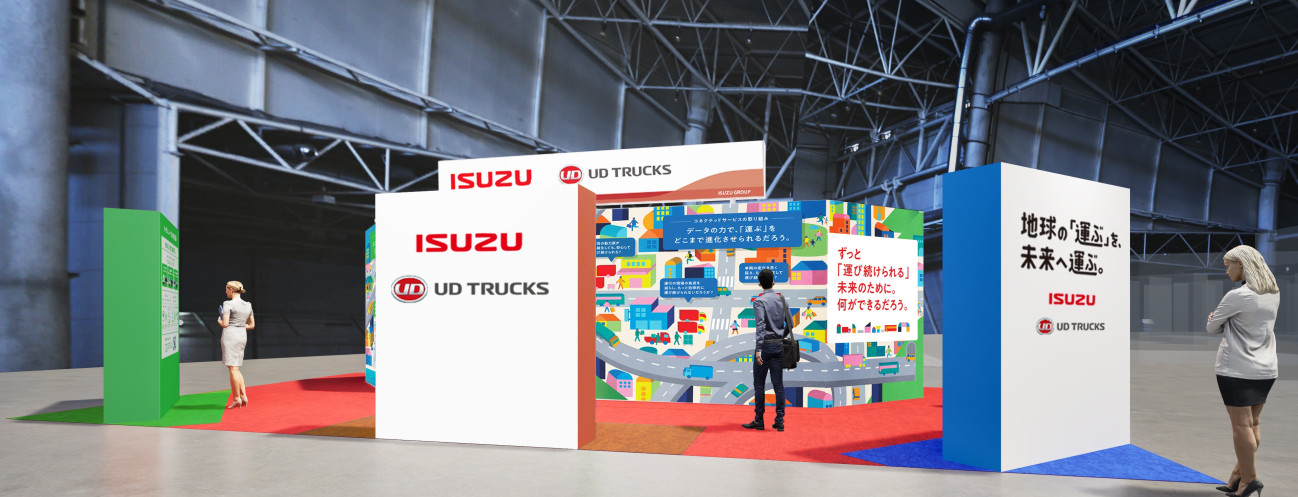
Isuzu and UD Trucks to exhibit at JAPAN MOBILITY SHOW BIZWEEK 2026
Read More
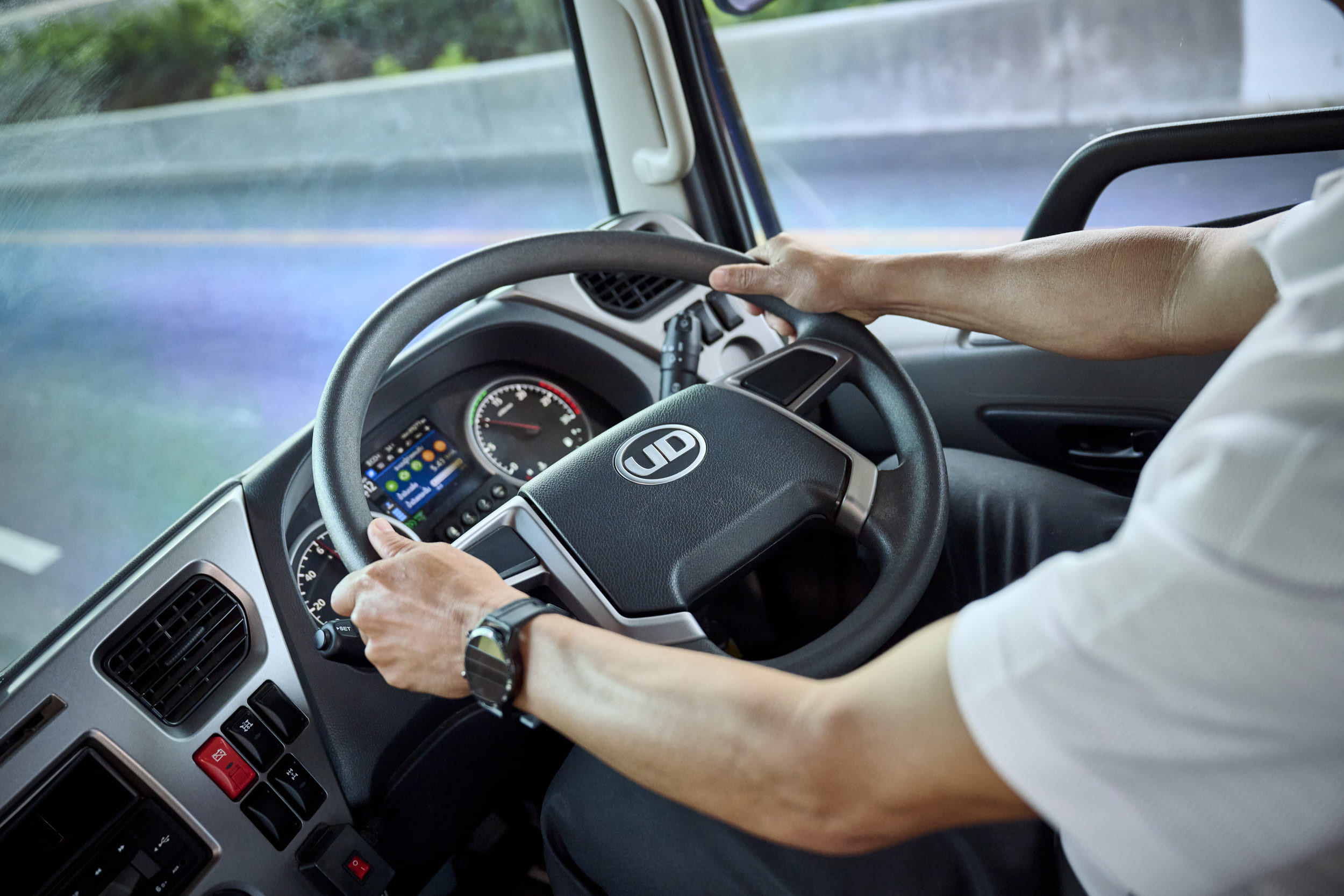
Heavy duty truck drivers do more than transport cargo. It is one of the few professions where individuals can shape their time, income, and working style through operating models. In many countries, truck transport plays a central role in logistics and supports modern supply chains. The social value of drivers continues to increase as this role expands.
This article explains the reality of heavy duty truck driving from the perspectives of lifestyle and working style.
Heavy duty truck drivers are not limited to delivering goods. Food, daily necessities, and construction materials that support daily life are all delivered through truck transport. When logistics stops, retail shelves, construction sites, and manufacturing lines can no longer function.
The sense that one’s work directly supports daily life is difficult to obtain in desk-based roles. Supporting social infrastructure in a direct and visible way is a major source of professional motivation for drivers.
Logistics demand continues to increase with the rapid expansion of e-commerce, making the role of drivers more critical. Without delivery of food and medical supplies, daily life cannot be maintained. Without construction materials, infrastructure development cannot continue.
Heavy duty truck drivers are professionals who sustain the essential functions of society, even when their work is not always visible.
After completing pre-operation vehicle checks, the standard workflow consists of loading, transport, and unloading. While following the assigned schedule and delivery requirements, drivers spend much of their time on the road working independently and focusing on the task at hand.
This role is well suited to people who prefer to take ownership of their responsibilities and see them through to completion.
Driver lifestyles vary significantly depending on the type of operation. This distinction is common across global logistics, where long-haul and regional operations result in different daily routines. Choosing between these options directly shapes day-to-day life.
Long-haul operations involve traveling across wide areas over multiple days, primarily using highways. This model is also central to logistics in Europe and North America, where drivers may operate over several days.
While drivers can experience different locations and local food, the work requires physical endurance and strong self-management. Compensation levels tend to be higher, and efficient operation can significantly increase income. For those who value travel and mobility, the work can provide a sense of fulfillment similar to traveling.
Regional operations focus on same-day deliveries within a defined area. A stable return schedule allows drivers to maintain consistent routines and spend time at home. This working style is suited to individuals who prioritize family time or stable daily patterns.
The ability to choose between long-haul and regional operations based on personal priorities is a key advantage of this profession.
Driving time is largely spent alone, allowing work to be completed without unnecessary interruptions. This characteristic is common among drivers globally and allows individuals to focus at their own pace.
This environment is suitable for those who prefer a quiet workspace, whether listening to audio content or concentrating on tasks independently.
Income is one of the primary considerations when evaluating truck driving as a profession. Across countries, driver income varies depending on experience, qualifications, and operational style.
According to the Basic Survey on Wage Structure by the Ministry of Health, Labour and Welfare, the average annual income for heavy duty truck drivers in Japan is approximately 4.92 million yen. Income varies depending on work style and transport distance, and long-haul operations or performance-based compensation structures can exceed 6 million yen.
In Europe and North America, long-haul drivers are often positioned as higher-income roles, although income structures vary by region. Obtaining qualifications, including towing licenses and hazardous materials certifications, can increase earning potential. Income structures often reflect individual skill and experience, which supports long-term motivation.
The ability for performance to be reflected in income is a defining feature of this profession.
Many countries face driver shortages in the logistics sector. In Japan, the implementation of working hour regulations has created industry-wide challenges in maintaining transport capacity.
At the same time, logistics demand continues to increase due to the growth of e-commerce. The need to transport goods remains constant, making this profession less sensitive to economic fluctuations and providing long-term employment stability.
With experience, drivers can pursue career paths beyond company employment. In global logistics, owner-driver models, where individuals operate their own trucks and contract work directly, are widely established. These options provide greater flexibility in both income and working time.
Drivers can operate as independent contractors and take on work through contractual agreements. Although terminology varies by country and region, this working style is widely recognized in global logistics.
Because workload can be managed independently, both income potential and working flexibility increase.
However, responsibilities expand to include sales activities, cost management, and tax filing. Understanding industry structures and client relationships before transitioning is essential. A common approach is to gain experience as an employee before moving gradually toward independence.
Working with a personally owned vehicle under direct contracts with shippers or transport companies is often referred to as an owner-driver model in international contexts.
While freight rates can be higher and income potential can increase significantly, costs including vehicle purchase, insurance, and maintenance are also substantial. Careful long-term financial planning is essential. This model offers strong potential for individuals who aim to build a business centered on a single vehicle.

As with any profession, suitability varies by individual. The high level of autonomy in heavy duty truck driving means that alignment between personal characteristics and working style is critical for long-term success.
This role is well suited to individuals who prefer independent decision-making and autonomous work. Many situations during operations require independent judgment.
For those with an interest in vehicles and machinery, daily work can provide a high level of satisfaction. Strong self-management is also essential. Safe driving, time management, and physical condition management all directly affect work quality. The ability to maintain discipline independently is required in a role with high autonomy.
These characteristics are required not only in Japan but across the global logistics industry.
Heavy duty truck driving is not limited to transporting goods. It is a specialized profession that plays a key role in supporting global supply chains.
Drivers can build a career within a company or pursue independence after gaining experience. Although working styles differ by region and country, truck transport remains a fundamental part of social infrastructure.
Work in logistics carries responsibility along with a strong sense of purpose. Career opportunities expand based on individual decisions, effort, and operational performance, while continuing to support global supply chains.