Press Release
October 06, 2026
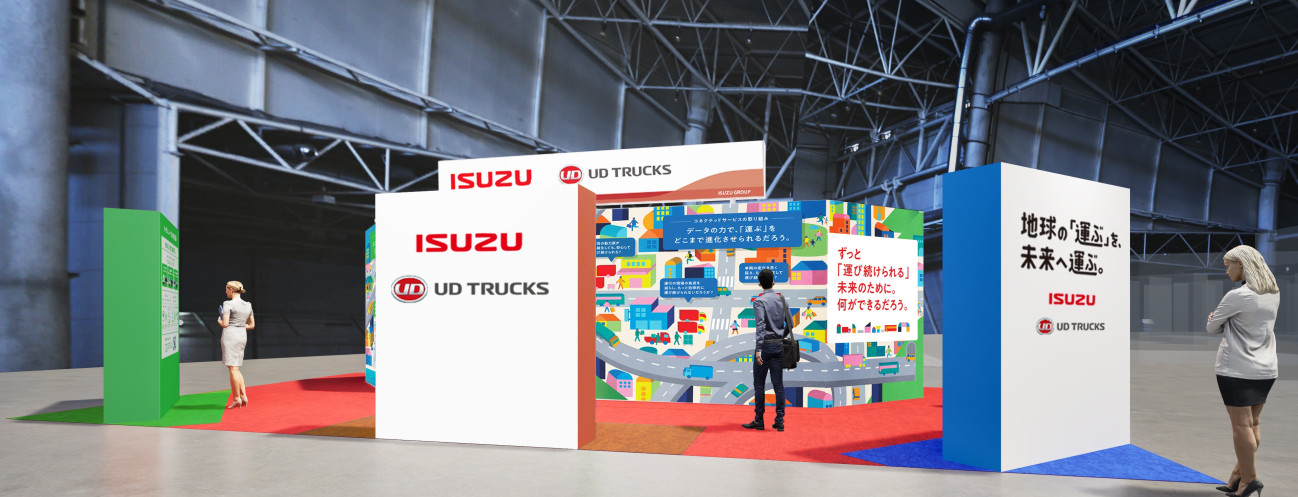
Isuzu and UD Trucks to exhibit at JAPAN MOBILITY SHOW BIZWEEK 2026
Read More

For long-haul truck drivers who spend more than half of the week inside the cabin, in-cabin comfort directly affects driver performance, safety, and overall operational efficiency across fleet operations. Poor sleep, excessive heat, and disorganized space do not only reduce comfort, they increase fatigue, which can directly impact safety and consistency in operations.
There are clear approaches to creating a more effective cabin environment based on truck design philosophies developed across different regions. This article compares design approaches in North America, Europe, and Japan, and outlines practical measures to improve cabin performance from an operational perspective.
Transform the cabin from a driving space into a mobile living space that supports safer, more efficient, and more reliable operations.
The form of a comfortable cabin varies significantly by country.
Three factors shape each design philosophy: road conditions, regulations, and cultural values.
Because cab length is excluded from overall vehicle length regulations, manufacturers have expanded cabin size significantly. This has led to designs equipped with large beds and compact kitchen facilities, creating a space comparable to a mobile home. In this context, comfort is defined by maximizing physical space to support long-haul operations and extended in-cabin living conditions.
Due to overall vehicle length restrictions, cab-over configurations are standard in Europe, limiting horizontal expansion. This constraint has driven vertical space design, including high-roof cabins and flat floors that allow walk-through movement. Comfort is defined by efficient use of vertical space while maintaining operational practicality within regulatory constraints.
Japan also uses cab-over configurations, but operates in more constrained urban environments and complex delivery conditions. This has led to a cockpit-oriented design approach.
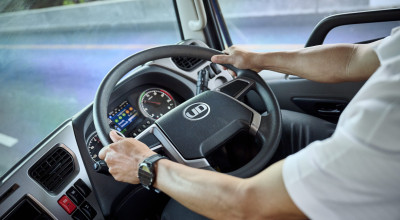
With a layout where all controls can be reached while seated, driver movement efficiency is maximized. Comfort in Japan is defined by precise functional design combined with mental ease, enabling efficient operation in complex and high-density delivery environments.

Although design philosophies differ by region, there are common points that determine comfort. The starting point is understanding the relationship between fatigue and safety, followed by optimizing temperature, storage, and noise control.
Driver fatigue is one of the major causes of traffic accidents.In Japan, drivers are required to take at least 30 minutes of rest every four hours. The quality of the cabin environment during these breaks directly affects concentration and accident risk in subsequent operations. Investment in cabin comfort is therefore a rational choice from both safety and operational efficiency perspectives, as it directly influences fatigue management and driving performance.
Three elements consistently define cabin comfort across regions and vehicle types.
Temperature management: use of dual-zone air conditioning, auxiliary cooling systems, and independent heaters
Storage organization: structuring limited space so essential items are always accessible
Noise and vibration control: reducing vibration during driving to improve rest quality
Optimizing the sleeping area is a priority when improving cabin performance and operational consistency. Improving four elements, namely mattress quality, light control, temperature, and vibration, can significantly improve fatigue recovery efficiency.
Upgrading to memory foam or truck-specific mattresses is one option for improving sleep quality. Combining thermal or temperature-regulating bedding helps maintain a stable sleeping environment throughout the year.
Blackout curtains designed for trucks provide three functions: blocking external light, reducing heat from sunlight in summer, and providing insulation in winter. These are particularly important for long-haul drivers who need to rest during daytime hours. Adding coverage for the windshield and side windows further improves insulation performance.
For temperature control while parked, installing an APU (auxiliary power unit) is effective. An APU supplies power for air conditioning and electrical systems without running the main engine, and is widely used in long-haul operations in North America and Europe.
It allows cabin temperature to be maintained without idling, contributing not only to driver comfort but also to reduced fuel consumption and improved operational efficiency across operations. For vibration control during driving, air suspension seats and anti-vibration mats reduce physical strain and limit fatigue accumulation.
This section organizes effective items into three categories: food, storage, and power.
Reducing reliance on external meals can support cost control and help maintain driver condition during long-haul operations. Key items include:
12V portable stoves and electric kettles that allow preparation of hot meals and beverages
24V rice cookers commonly used in truck operations in Japan
Portable refrigerators that maintain food freshness and reduce the need for frequent stops
Combining smartphone holders, seat organizers, suction-mounted racks, and cargo nets allows frequently used items to be positioned within reach. A cockpit layout where everything can be accessed while seated improves comfort during long driving hours.
With idling restrictions in place, securing power supply is essential. Key options include:
Power inverters that convert vehicle power into AC electricity
Portable power stations with high capacity can support the use of appliances including microwave ovens and electric blankets
Independent cooling units that manage temperature while parked

In addition to equipment, daily habits also influence comfort. Three perspectives are important: workspace setup, relaxation space design, and organization.
Using dashboard organizers to arrange smartphones and tablets, combined with mobile Wi-Fi and hands-free devices, allows waiting and break time to be used productively. This approach converts waiting time into productive time and supports more efficient use of driver working hours within operational constraints.
Creating a space where shoes are removed and relaxation is prioritized is a style widely adopted by drivers in Japan. In addition to the physical benefit of relieving pressure on the feet and improving blood circulation, this approach also provides a psychological benefit by creating a clean private space that supports effective recovery between operations. This can be implemented simply by placing dedicated mats or small rugs.
No matter how well equipment is prepared, comfort cannot be maintained in a cluttered environment. Establishing a regular maintenance routine is essential.
Weekly: vacuuming and surface cleaning
Monthly: checking and replacing air filters
Every few months: washing bedding and maintaining mattresses
Combining suction-mounted racks, under-bed storage space, and overhead bins allows items to be organized while maintaining usable floor space. Establishing fixed storage locations provides the foundation for maintaining long-term cabin comfort.
North America focuses on maximizing space, Europe on efficient use of vertical space, and Japan on refined functional design. Although the approaches differ, the outcome is the same: the optimal cabin environment is a space configured to support driver performance and operational requirements
Investment in cabin comfort directly supports driver safety, operational efficiency, and long-term operational sustainability. When planning the next vehicle update, this is an opportunity to define the optimal cabin specification based on actual operating conditions and operational requirements.